

Unlearning Fear
Have you ever wondered when you first learned to be afraid?
As babies, we don't know what fear is.
Think about a baby learning to walk. They pull themselves up, take a few shaky steps and fall. Then they get back up and try again. They might fall hundreds, even thousands of times. Sometimes they cry. Sometimes they don't. But they keep getting back up. And eventually, they don't just walk. They run.
As children, we are naturally curious. We climb trees. We jump off things. We explore. We try things that, looking back, probably weren't the safest choices! But we don't think about failure. We don't worry about what people will think. We don't sit there wondering, What if I can't do it?
We simply try.
So, when did that change?
Somewhere along the way, the adults in our lives begin teaching us about fear. "Don't do that, you'll hurt yourself."
"Be careful."
"That's too dangerous."
"You probably shouldn't try that."
"That's not realistic."
And, of course, much of this comes from a place of love. Parents want to protect us. They want to keep us safe.
But those little sentences can also begin teaching us something else. They teach us to be cautious. They teach us to avoid risk. And sometimes, without even realising it, they teach us to be afraid.
By the time we become teenagers, we can be well and truly on the path to understanding what fear is all about.
Then come the bigger decisions.
"What are you going to do when you leave school?"
"That's not a very sensible career."
"You'll never make a living doing that."
"Why don't you choose something more secure?"
"Are you sure you want to do that?"
Again, often these comments come from people who care about us. But gradually, we begin allowing other people's fears, expectations and limitations to become our own. And by the time we become adults, those fears can feel like facts.
We worry about failing. We worry about looking foolish. We worry about disappointing people. We worry about what others will think. We worry that we're too old. We worry that we're not good enough. We worry that it's too late.
But what if we have it backwards?
What if instead of spending our lives learning fear, we could spend some of our time unlearning it?
I don't believe being fearless means that you never feel fear. Fear is part of being human. To me, being fearless means feeling the fear and choosing not to let it make the decision for you. It means being willing to take the next step even when you don't know exactly where it will lead. It means giving yourself permission to try.
And perhaps most importantly, it means remembering that failure isn't the opposite of success. Sometimes failure is simply information. It's how we learn, adapt and try again.
Think back to that baby learning to walk. They didn't fall down and think, Well, that's it. Walking clearly isn't for me. They got back up.
Maybe that's something we need to relearn as adults. Get back up. Try again. Take another step. Challenge the voice telling you that you can't. Challenge the belief that you're too old. Challenge the idea that you have to do things the way everyone else has done them. Challenge the fear of what other people might think.
Because here's the thing: you don't get a second chance at living the life you want if you spend all your time waiting until you're no longer afraid.
At some point, you have to decide that your dreams are more important than your fear.
That's what building fearlessness is about.
It's not about throwing caution out the window or making reckless decisions. It's about developing the confidence to tackle hard things, pursue your passions and step outside the boundaries that fear has created around you.
And sometimes, that means becoming a little more like the child you once were.
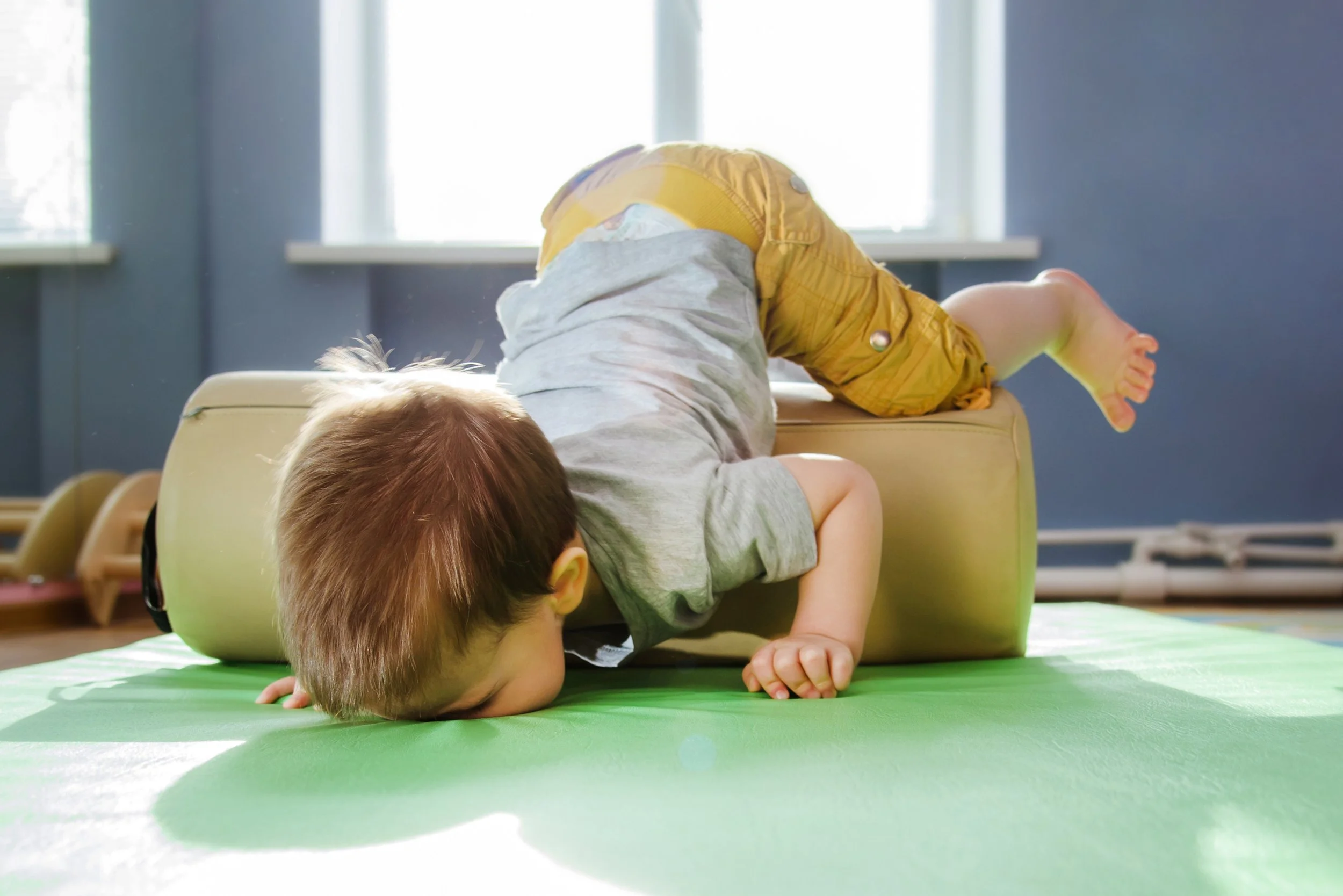
The child who tried.
The child who fell.
The child who got back up.
The child who didn't yet understand that some things were supposed to be impossible.
I've learned throughout my own life that some of the best things can happen when we are willing to step beyond what feels comfortable. Not because we know exactly what will happen, but because we are prepared to find out.
That's where courage lives.
That's where growth happens.
And that's where possibility begins.
So perhaps the question isn't, "How do I get rid of my fear?"
Perhaps the better question is: "What fear do I need to unlearn?"
Maybe it's the fear of failure.
Maybe it's the fear of judgement.
Maybe it's the fear of starting something new.
Maybe it's the fear of being different.
Or maybe it's simply the fear that it's too late.
Let me remind you of something I say often:
It's Never Too Late. It's never too late to try something new. It's never too late to change direction. It's never too late to follow a passion. It's never too late to take a chance on yourself. And it's never too late to get back up and take another step.
You may have learned fear along the way. But you can also learn fearlessness.
The child who once believed anything was possible is still inside you.
Maybe it's time to let them have a little more say.